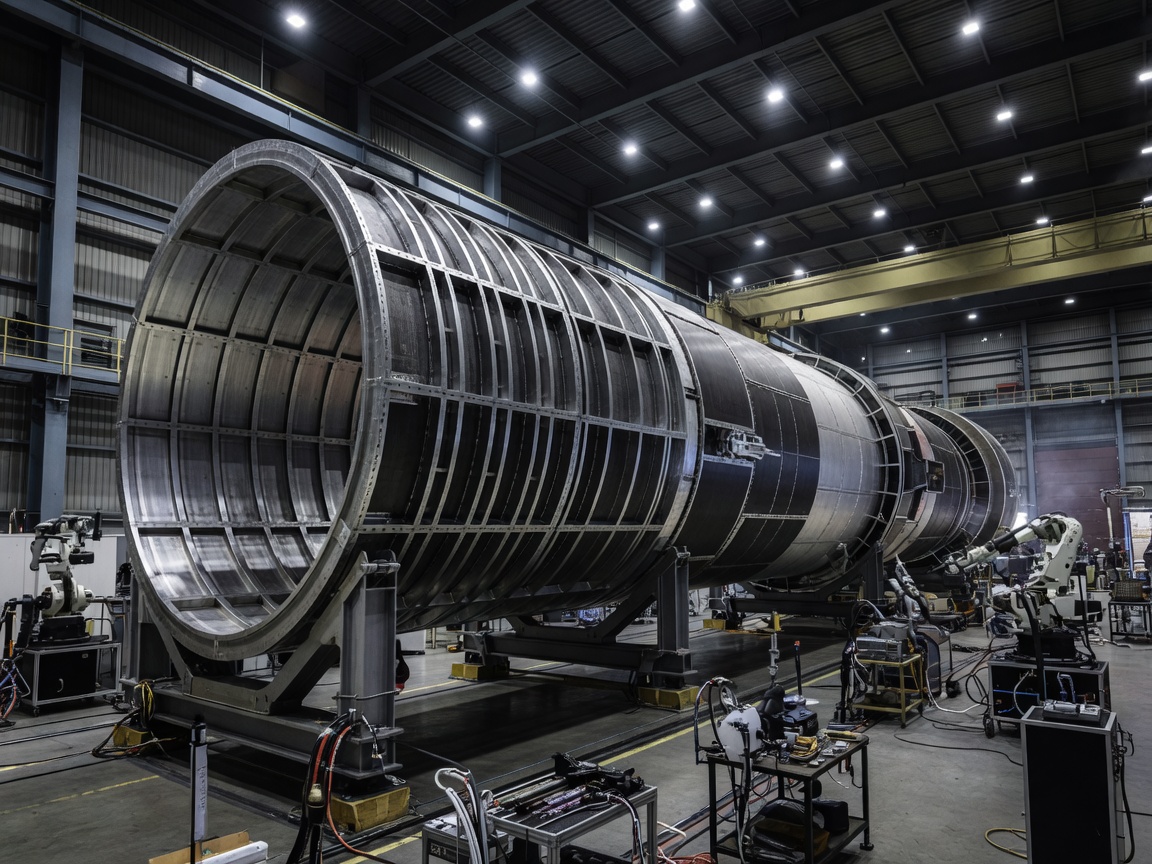
Orbital Launch Vehicles
Examine the fundamental physics of reaching orbit. We dissect staging concepts, mass fractions, payload fairing designs, and the rocket equation that governs all expendable and reusable architectures.
Read ModuleA deep dive into the engineering, physics, and design paradigms of modern spacecraft and orbital rockets. Uncover the mechanics of how humanity leaves the atmosphere.
Explore the Modules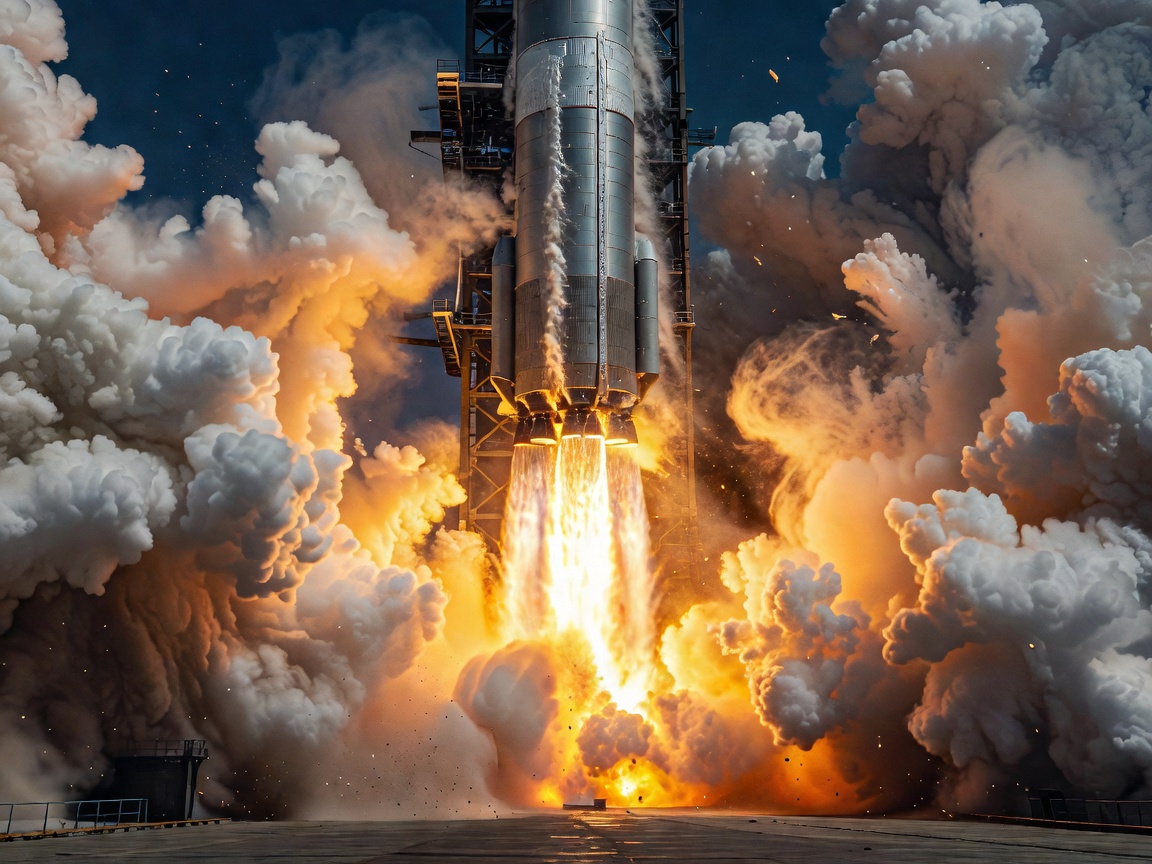
Examine the fundamental physics of reaching orbit. We dissect staging concepts, mass fractions, payload fairing designs, and the rocket equation that governs all expendable and reusable architectures.
Read Module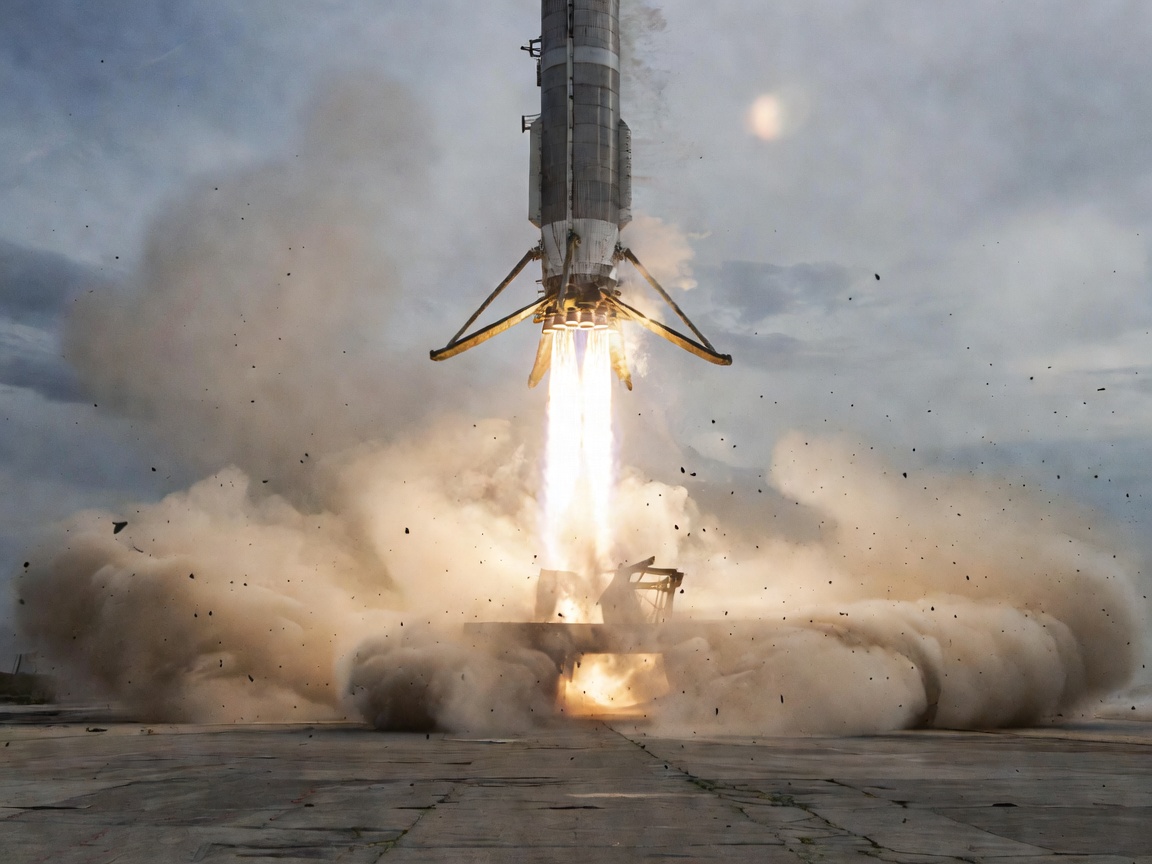
The economics of spaceflight have been irreversibly altered by reusability. Analyze retropropulsion mechanics, grid fin aerodynamics, thermal protection degradation, and structural fatigue.
Read Module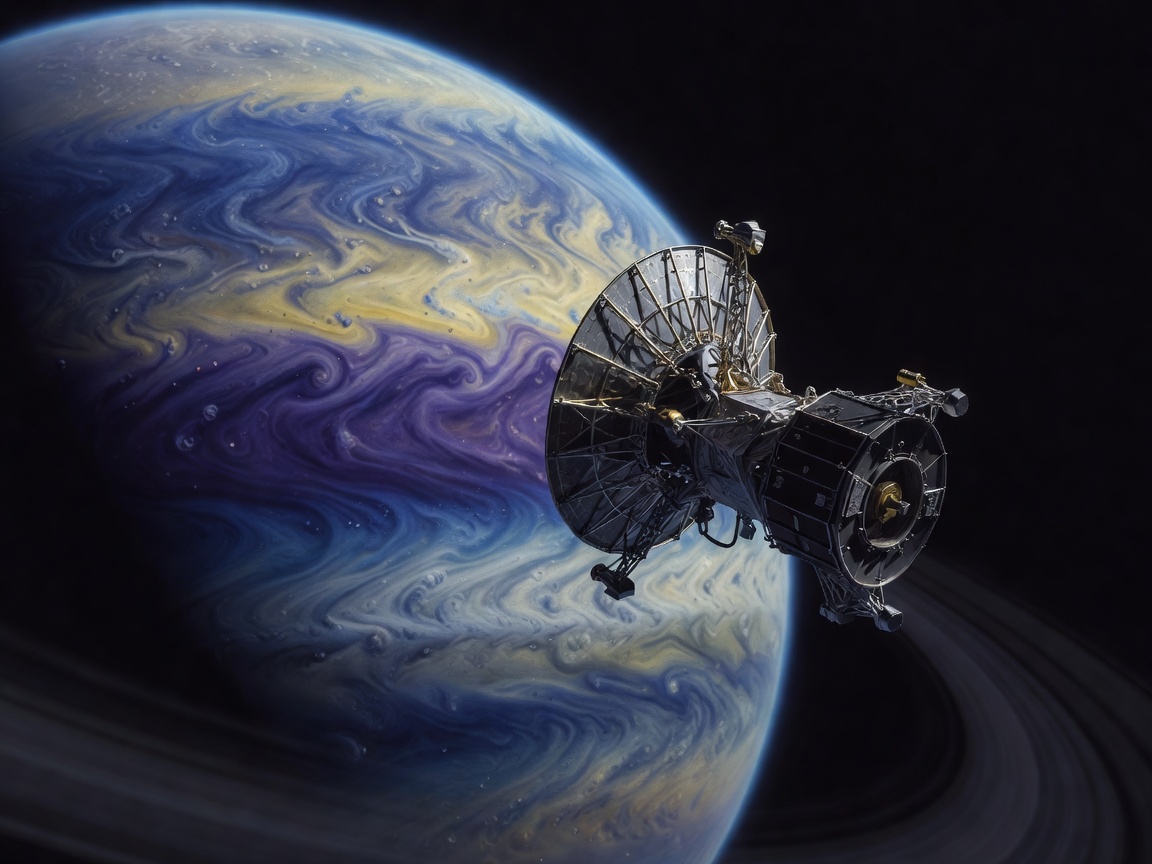
Operating in the outer solar system requires distinct paradigms. Learn about Radioisotope Thermoelectric Generators (RTGs), the Deep Space Network (DSN), and the intricate geometry of gravity assists.
Read Module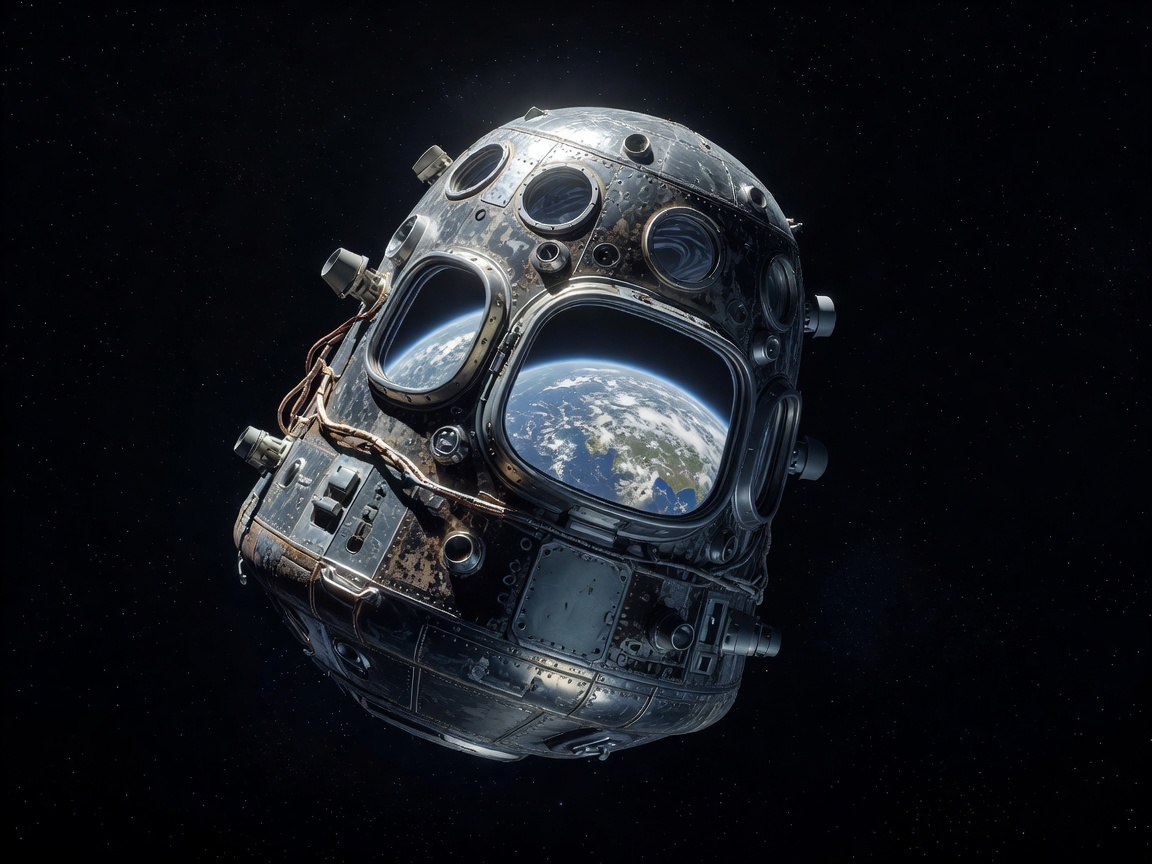
Keeping humans alive in a vacuum is engineering at its most rigorous. Investigate Environmental Control and Life Support Systems (ECLSS), active thermal rejection, and launch abort mechanisms.
Read Module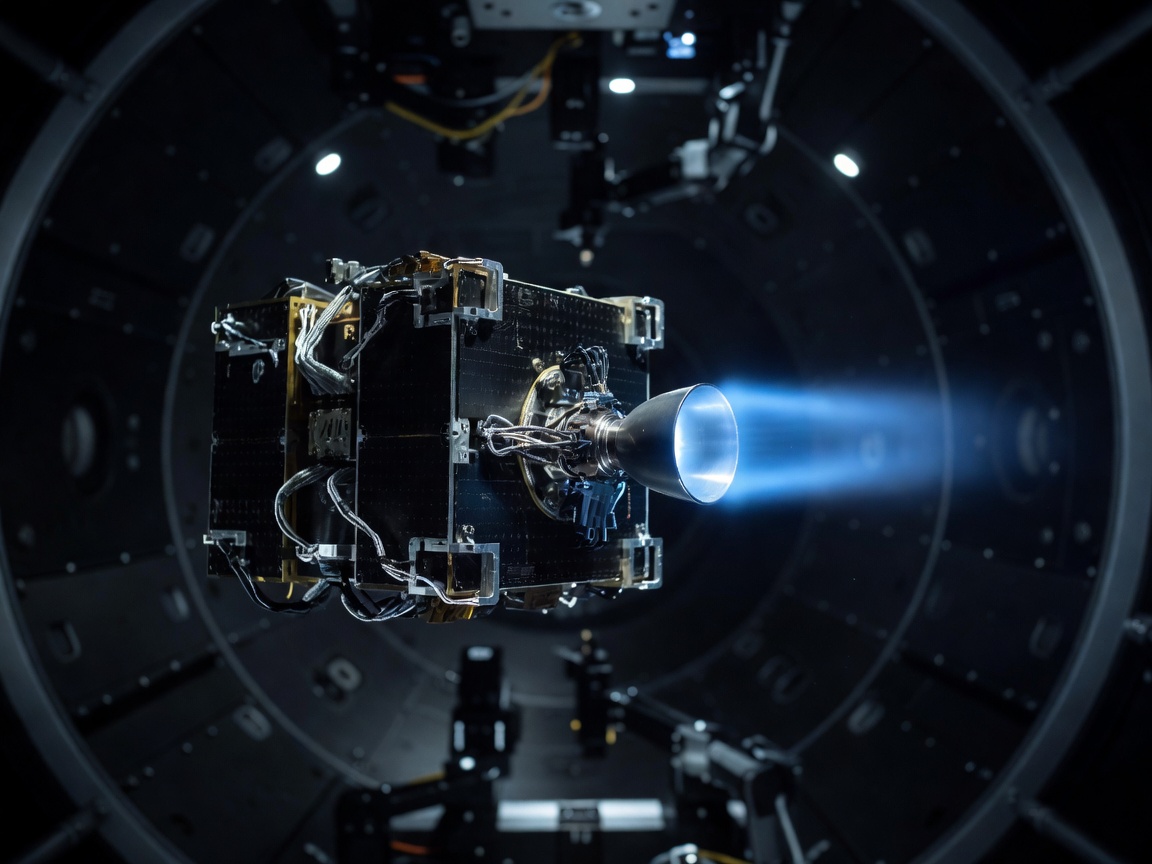
Once in orbit, efficiency outranks raw thrust. Compare Hall-effect thrusters, gridded ion engines, and monopropellant chemical systems used for station-keeping and major orbital transfers.
Read ModuleCuriosityquibly Aerospace Ltd. provides structured, rigorous educational resources for aerospace engineering students, enthusiasts, and industry professionals. We strip away the science-fiction to focus purely on the applied sciences.
From metallurgical stress fractures under cryogenic loads to the nuanced telemetry of deep space communication networks, our curriculum demands focus but rewards with profound understanding.